

A Year of Reviews
A look back at some Brief Ecology favorites of 2025


This year has been a busy one at Brief Ecology. We began serious coverage of ecological issues, research, and news. We grew our readership from around 100 to over 4,000, and broke original stories about data centers, eco-activism, and environmental coalitions. We also reviewed over 20 books during 2025, and in the spirit of reading and looking back over the year, we want to share a few of our favorites:
Nonfiction
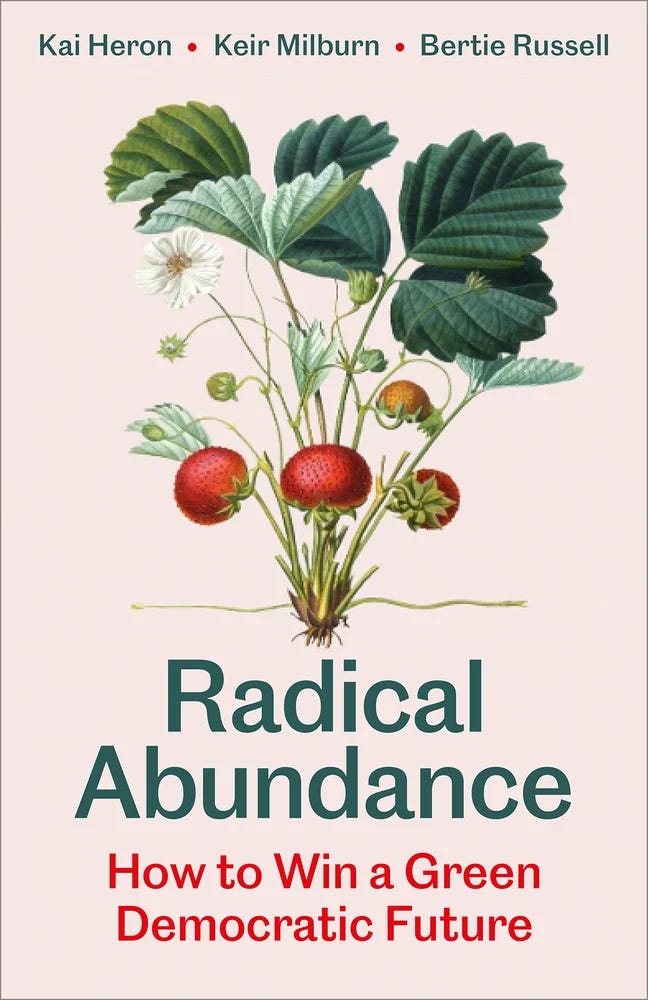
Radical Abundance
From our review in Actual Abundance and How to Get There:
What would a path to abundance for all actually look like? That is the focus of the new book, Radical Abundance, from Pluto Press. The title is a reference to the much-maligned book, Abundance by Ezra Klein and Derek Thompson, and the authors of Radical Abundance (Kai Heron, Keir Milburn, and Bertie Russell) present a radical, anti-capitalist, and democratic alternative to the neoliberal vision offered by Klein and Thompson.
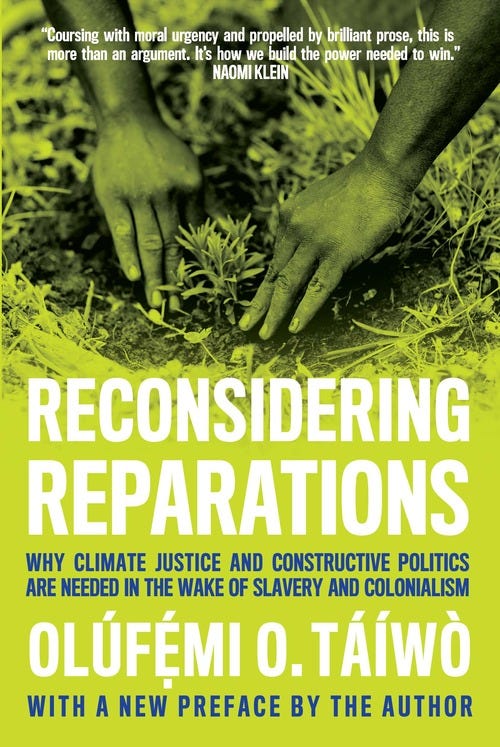
Reconsidering Reparations
From our review in New Worldmaking: Reparations as climate justice, climate justice as reparations:
The book’s subtitle, “Why climate justice and constructive politics are needed in the wake of slavery and colonialism”, lays the groundwork for the connections it draws between climate justice and reparations. It may not be clear how colonialism, slavery, and reparations are related to climate and ecological crises, but Táíwò carefully and clearly articulates the overlaps throughout the book.
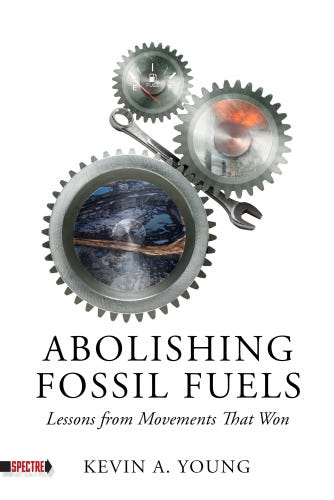
Abolishing Fossil Fuels
From our review in Learning From the Past: A How-To For Ending Fossil Fuels:
Some political struggles seem so gargantuan that it’s hard to imagine winning at all, let alone crafting a strategy for how to do it. Climate change is perhaps the most emblematic example of all. It’s a global phenomenon caused by the burning of fossil fuels at scales that can make individuals feel utterly powerless. Kevin A. Young’s new book, Abolishing Fossil Fuels: Lessons from Movements That Won, seeks to change that by not just encouraging people to imagine a world without fossil fuels, but also empowering them with the knowledge of how to make it happen.
Fiction
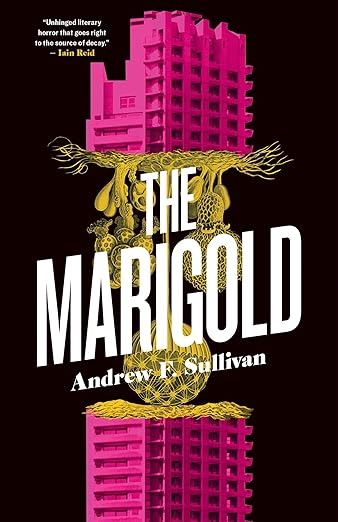
The Marigold
From our review in The Eco-Update No. 16:
In The Marigold’s near-future Toronto, wealth inequality skyrockets in tandem with the city’s skyscrapers that are built by a macabre, capitalist cult. Each new tower of suites demands a sacrifice to the gods of growth, but in their lust the cult unleashes a new kind of growth from underground. Or perhaps the growth wasn’t so much unleashed as it was summoned by the quest for unceasing profits built on the literal backs of city’s residents.
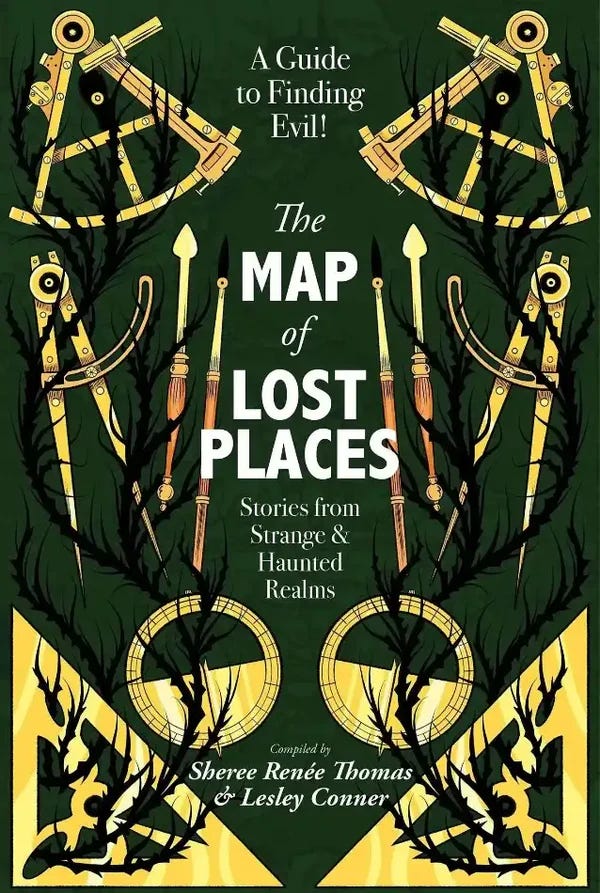
The Map of Lost Places
From our review in The Eco-Update No. 17:
When eco-fiction meets geo-fiction, some very interesting things happen. Apex Book Company’s The Map of Lost Places mixes themes of place and space in with stories about slavery, capitalism, racism, misogyny and many of the other ugly parts of society. Oh and there’s plenty of weird, surreal, and cosmically horrific stuff going on in these places too.
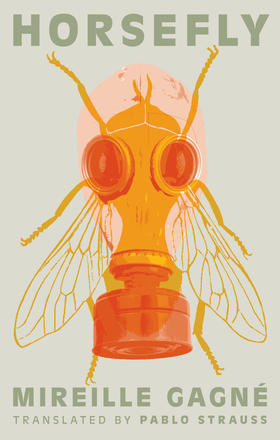
Horsefly
From our review in The Eco-Update No. 18:
My latest eco-fiction read was Mireille Gagné’s Horsefly, translated by Pablo Strauss and published by Coach House Books. The novel is a historical eco-horror tale, something akin to a modern Mary Shelley’s Frankenstein, that takes place across multiple timelines.