

How to organize in the face of oblivion
A call to move beyond mobilization

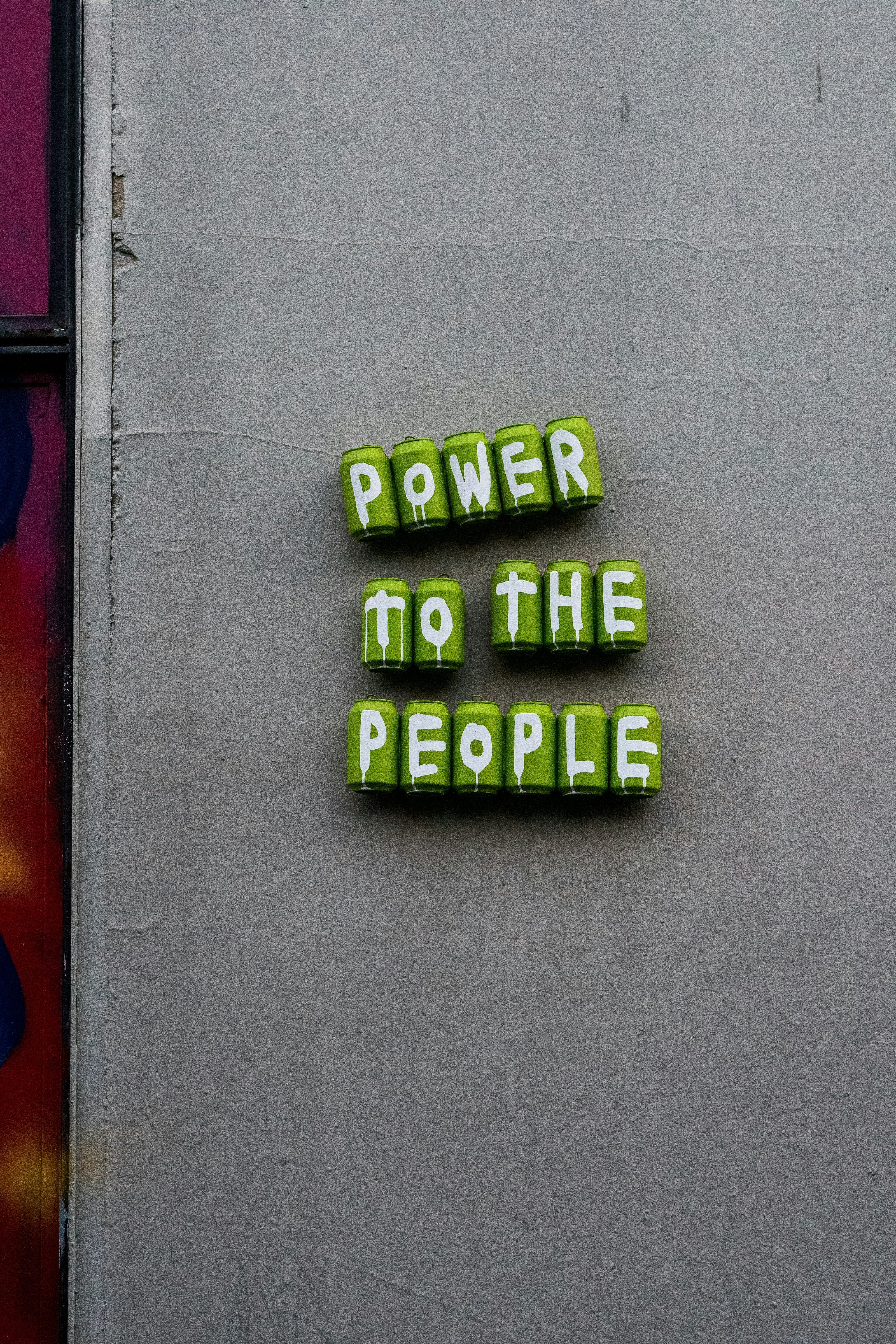
This is not the usual Brief Ecology newsletter. But these are not normal times.
I was not planning on writing today, but, given the severity of recent events, I believe there are a few things that should be said. I will keep it short, since there’s a lot of ink being spilled at the moment.
Yesterday, ICE agents killed Renee Nicole Good. I won’t re-hash the details here because unless you live under a rock, you already know. Only a few days ago, the U.S. military kidnapped the leader of a sovereign country. Beyond these two flashpoints, there’s a litany of things that demonstrate how this regime is at war not only against the rest of the world, but also the American people and the planet itself.
I’m not going to discuss the reasons for these actions, the political conditions that gave rise to them, or the societal implications. I’m writing to answer one question: What can we do about it?
The answer is organizing. There are going to be protests in response to the ICE murder. These are important actions that should be engaged with, but they are not enough. Protests mobilize people, but do not organize them. Organizing means coordinated, targeted action in the long term.
Many people in the U.S. are not familiar with how to organize. We’ve had it drilled into us that voting once every 2 to 4 years is the sum total of political action, but that is far from the truth. There are many actions that can be taken today, and powerful organizing is more effective, rewarding, and beneficial to society than voting alone.
What does it mean to organize? It can take many forms. The most familiar to most people is probably labor organizing. Joining or becoming active in your union is organizing. If you don’t have a union where you work, talking to your co-workers about forming one is organizing.
Joining or starting a political reading group is organizing.
Attending or hosting a neighborhood meet up is organizing.
Getting involved with local political groups is organizing.
Forming a local committee or political group is organizing.
Phone and text banking is organizing.
Making a contact list/spreadsheet is organizing.
Hosting a potluck is organizing.
I could go on and on. But what’s worth pointing out is what all of these actions have in common. They all involve bringing people together in order to discuss issues and plan actions.
There is no one-way-fits-all recipe here. Organizing can, should, and will look different in different places and when done by different people. But the purpose is always the same: building collective power. When we organize, we grow our power beyond the individual. Our economic and political systems are designed to make you feel powerless, but you are not. Anyone can contribute to organizing, regardless of your prior experience. All that is required is the will to act.
So if you’re angry right now (and you should be), take a moment to think about how you can engage in organizing. Are there groups in your area already doing this work? The answer is almost always yes. You can join them. If there aren’t any, you can be that person. I promise you, organizing is the cure to despair.
Here are some resources:
And lastly, have hope, comrades. The regime has never been so weak. The time to strike is now.
In Solidarity,
Ben Lockwood, Ph.D.
It’s ironic that you write this. I am an environmental person and have been putting those issues on the back burner. Not entirely, but we have bigger issues currently and they are also all connected. So I have shifted my energy to the most important ones. Thank you for writing this. I know you see the big picture clearly.
thank you for this!