

No Desert Data Centers, climate impacts on boreal forests, and the quiet eco-horror of Rebecca Campbell's The Other Shore
The Eco-Update #22

In This Issue
The No Desert Data Center Coalition is fighting back in Arizona
Climate warming impacts on boreal tree species
Thanks for reading Brief Ecology, here’s a free book
Other Eco Stories In the News
Eco-fiction review: The Other Shore by Rebecca Campbell, from Stelliform Press
Something You Can Do: Help the Institute of Social Ecology build neighborhood democracy
The No Desert Data Center Coalition is fighting back in Arizona
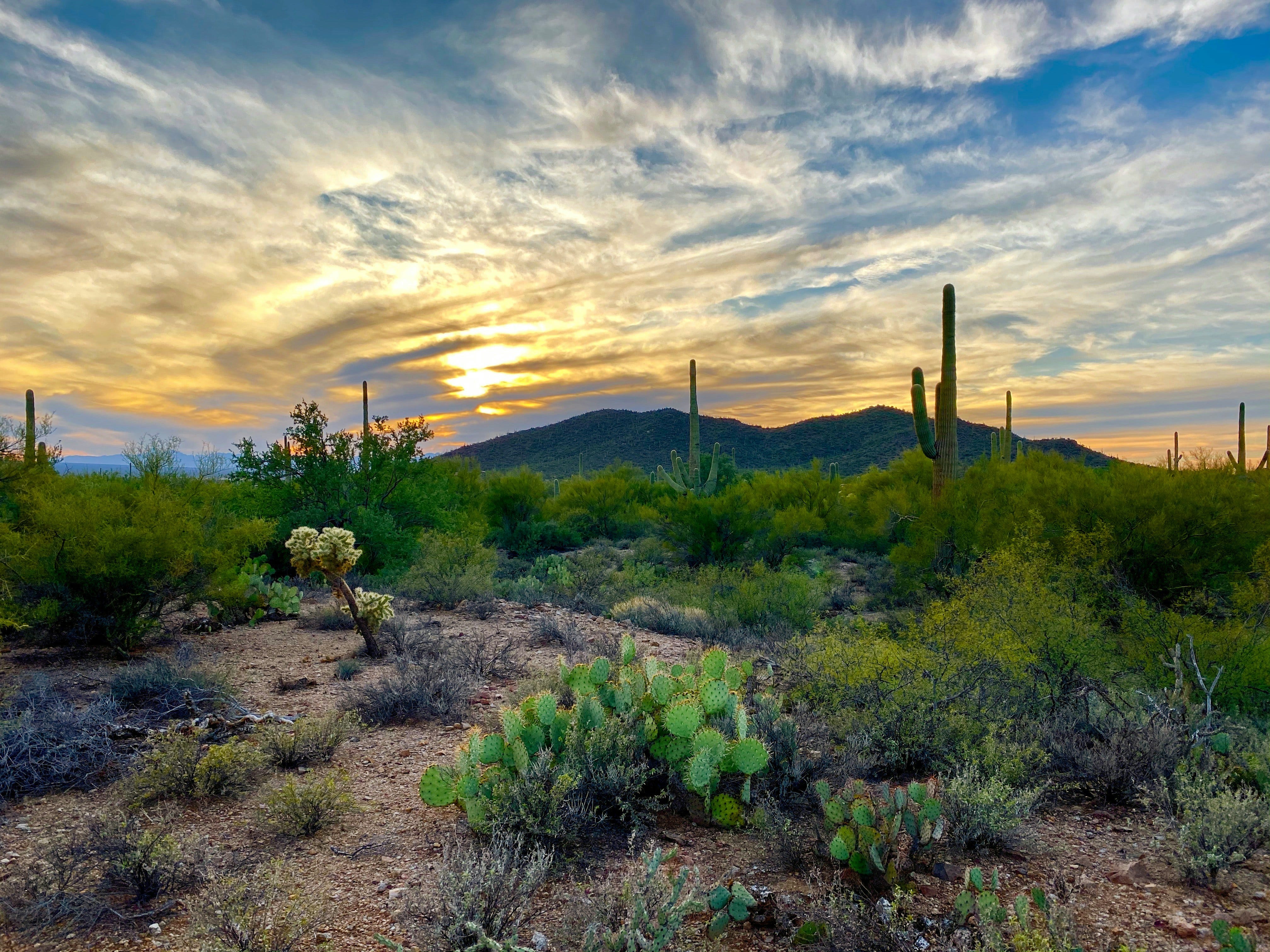
In the deserts of Arizona, a coalition of democratic socialists, union members, business owners, scientists, environmentalists and other community members are fighting to stop the construction of the “Project Blue” data center. And it’s working.
Project Blue is a nearly 300-acre county-owned site in Pima County, Arizona. According to AZPM News, the county agreed to sell the property to Beal Infrastructure in June, for $20.8 million. The development plans were to construct three data centers and as many as 10 total buildings on the site. However, in July, Arizona Luminaria broke the news that Amazon Web Services was the company operating clandestinely behind Project Blue.
In August, the city council of Tucson voted unanimously to reject the Project Blue data center campus after pressure from a statewide coalition called the No Desert Data Center Coalition mobilized the community against it. Lingering drought in the region gave rise to concerns among residents over water scarcity as a result of the data center’s planned usage of drinking water. In addition, rising energy costs have made community members wary of data centers amid spiking electricity costs across the nation.
On December 2nd, 13 News reported that Amazon had pulled out of the Project Blue data center plans. The report cited local officials who stated that despite Amazon walking away from the deal there were still plans to pursue the sale and secure another tenant. And on December 3rd, the Arizona Corporations Commission voted to approve the project, ignoring concerns over water usage, health impacts, energy costs, corporate surveillance, as well as the rejection by the Tucson city council.
AZPM also reported that developers are rushing to complete the sale of the land before Christmas. There is some speculation that Meta has now taken Amazon’s place as the lead contender, and according to Arizona Luminaria, Pima County rejected plans to consider the project’s health and water impacts. This comes alongside analysis from NOAA indicating that counties in southern and southeastern Arizona experiencing some of the driest years on record this year, and projecting this trend to continue into 2026.
Local resident Chad Smith, commented on the secrecy around the project since its beginnings. “[T]here is some shady business going on in Tucson,” he said, adding that, “It was being planned for nearly two years before even the city council knew about it due to NDA’s.”
Opposition to data centers is growing nationally. Earlier this year Microsoft backed away from a project in Wisconsin after strong community pushback, while just this week the CEO of IBM stated that at the current rate of spending on data centre construction there is no way for companies like Amazon and Google to turn a profit. Some economists are now expressing concerns about rising unemployment as AI software proliferates.
In Arizona, The No Desert Data Center Coalition continues to fight Project Blue, as well as other data center plans in the region, and may also take legal action against Pima County over not following legal requirements for open planning and zoning meetings. The coalition’s mission is “to defeat shortsighted and unjust, extractive economic development”, and it’s bringing together a broad spectrum of the community towards that end.
Smith highlighted the coalition’s messaging around energy costs, corporate subsidies, and AI surveillance as key issues for local residents. “We feel like we have a lot of messaging ideas that will resonate, even with more conservative citizens. [O]ur state DSA chapters have people power, organizing experience, and are very good at canvasing and messaging.”
Other communities can and should look to their model as a viable approach to fighting the proliferation of these extractive data centers. These infrastructures suck up vital resources, pollute the environment, and prop up AI technology that is increasingly harmful to society. AI is not inevitable, though. Communities can fight back and win. The No Desert Data Center Coalition is showing us how.
Climate warming impacts on boreal tree species
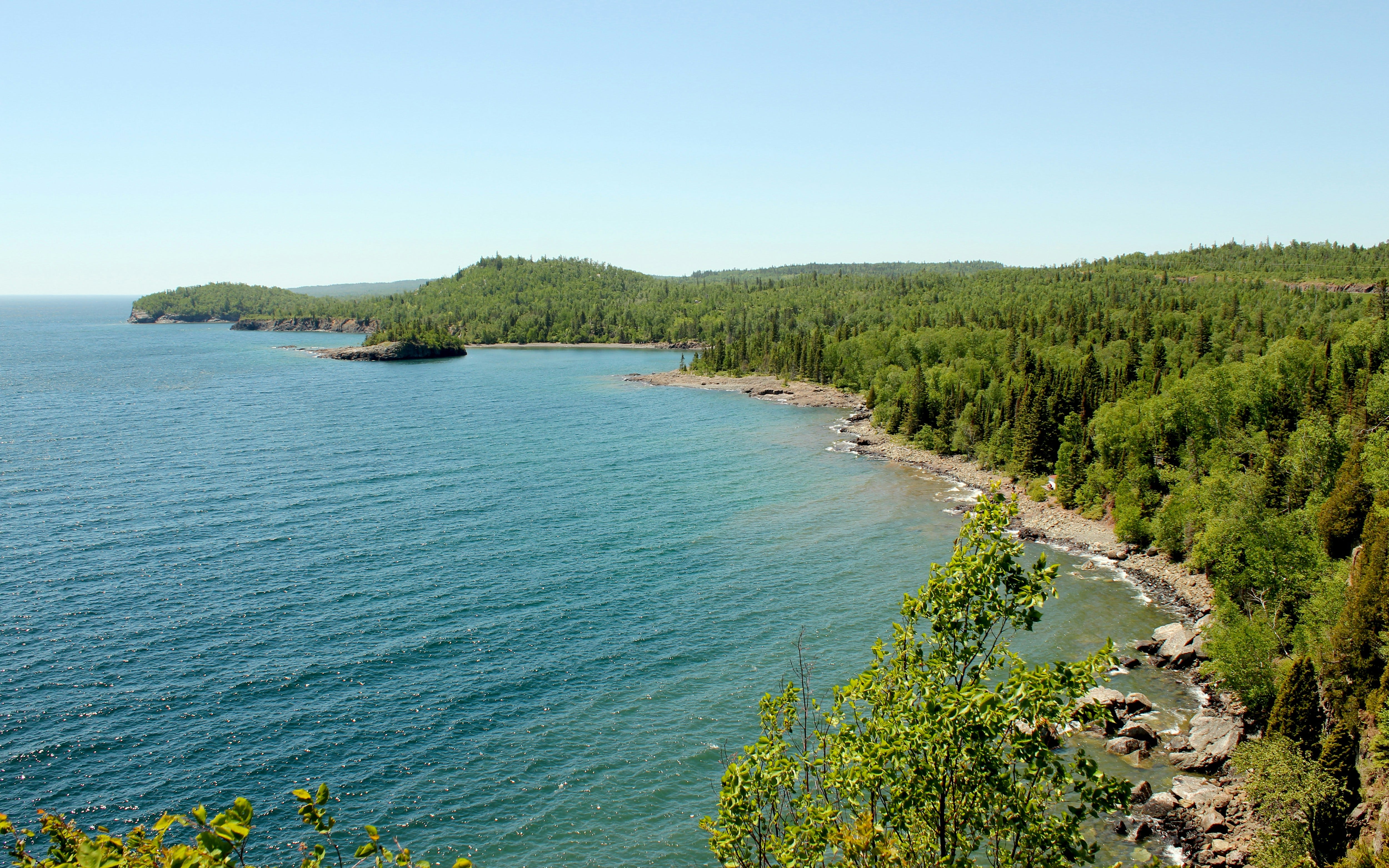
How will a warming climate impact forests? It’s a question driving a lot of current forest ecology research. While some studies have found evidence that warming may lead to longer growing seasons and increased tree growth rates, others report greater water stress as a result of higher temperatures, resulting in slower growth and increased tree mortality.
A new, experimental study led by ecologists from the University of Michigan sought to disentangle some of these contradictions. Using open-air forest plots in the southern boreal forests of northern Minnesota, the researchers experimentally warmed the study sites and measured the height growth of 20 species for 14 years. Their results shed new light on how warming may impact boreal forests in the future.
By experimentally warming the plots, the researchers observed that the timing of spring growth was consistently advanced across many of the species. However, an earlier onset of spring growth did not consistently lead to greater total growth over the course of a year, and different groups of species responded to warming differently. For example, the authors report that gymnosperms, or evergreens, generally exhibited reduced growth in response to warming. Angiosperms, or trees that lose their leaves seasonally, were more likely to maintain or extend the duration of their growth.
More generally, the findings suggest that faster growing species may be better at taking advantage of an earlier growing season that slower, more conservative species. Furthermore, the authors state that “These contrasting responses challenge the assumption that an earlier start of the growing season universally enhances growth and highlight how warming may shift competitive dynamics within mixed-species stands.”
While the study has yet to be peer-reviewed, it has important implications for our understanding of climate change impacts on forests and our ability to predict how forests will respond in the future.
Hey, thanks for reading Brief Ecology. Here’s a free book you can download.
Other Eco-Stories In The News
The Cooldown: Researchers make stunning discovery at disused golf course: ‘Never been seen before’
BBC: Deep-sea mining tests impact over a third of seabed animals - scientists
Tuscon Sentinel: Enviros confirm new jaguar ‘Cinco’ spotted in Southern Az
Eco-fiction Review: The Other Shore by Rebecca Campbell, from Stelliform Press
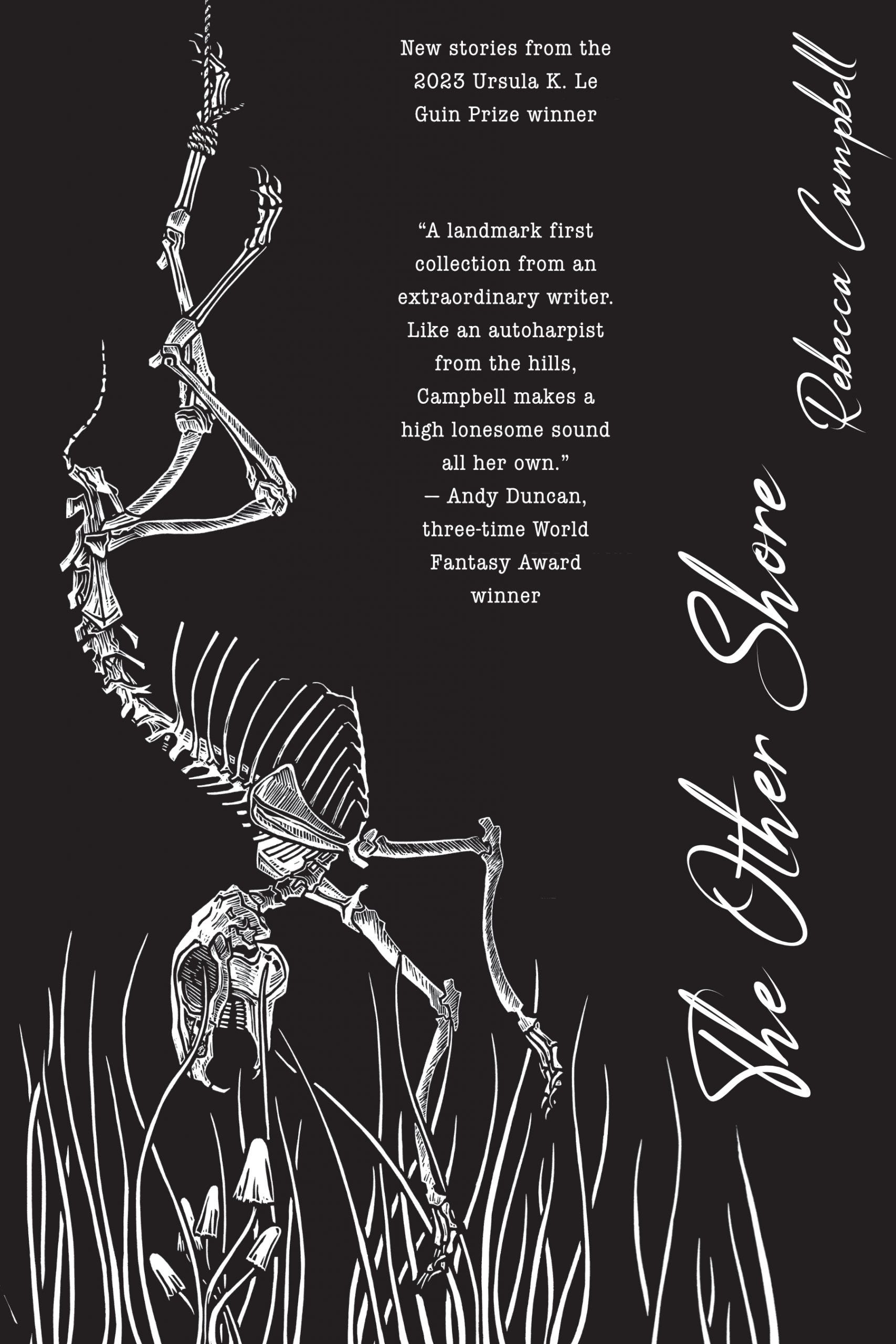
Do you want to get lost in place? Rebecca Campbell’s new collection of short stories, The Other Shore might be the place to look. Often set in the forests of the Pacific Northwest, time and space seem to intertwine, disentangle, and rearrange in this set of stories that feels like they exist somewhere in the combined universes of Emily St. John Mandel’ Station Eleven and Richard Powers’s The Overstory.
Campbell’s writing is more cerebral than overtly speculative. Elements of the supernatural and otherworldly are there in the pieces, creeping in at the margins, but are never front and center. There are subtle dystopias and quiet horrors that seep into you slowly off the page.
One piece that stuck with me was Thank You For Your Patience. The story follows a tech support call worker trying to maintain some semblance of humanity amid a the horrors of cold corporatism and environmental catastrophe. Connections form between strangers across space in ways that show even in the bleak uncaring of capitalism, humanity remains.
Another story I’m still thinking about is the titular story, The Other Shore. It’s a strange piece of fiction that puts history and geography in a literary blender. The result is a narrative, of sorts, that follows an otherworldly being, sometimes human, sometimes not, lingering on Vancouver Island, encountering locals and remembering nonlinearly.
One of the recurring themes here is that Campbell’s stories play with space, time, and memory in fascinating ways. Geography is a difficult theme to explore in fiction, and that’s perhaps the most interesting aspect of these stories. The places in The Other Shore don’t sit stationary, but drift across distances and into pasts, presents, and futures. There’s a lot to think about in these pages and I recommend picking up this collection if you like speculative fiction that skews to the literary.
Something You Can Do: Help the Institute of Social Ecology build neighborhood democracy

From the Institute of Social Ecology:
“Amid this moment of profound crisis, there is an urgent need to build grassroots democratic institutions - the kind which social ecologists have been advancing for decades.
The Neighbor Union Organizing Cohort puts the ideas of social ecology into practice by training up-and-coming community organizers to build Neighbor Unions. And you can help make it happen!
Neighbor Unions are grassroots organizations formed around monthly potlucks which mobilize and empower communities, and ultimately become vehicles of self-governance and resilience. In the first pilot run of this program, the ISE trained 25 grassroots organizers across the Pacific Northwest who founded 10 new Neighbor Unions!
That’s how we know this works. And now we need it to grow.
In 2026, we aim to expand this program to other regions. But in order to do so we need your help.”
Tucson is in Pima County. Typo: "Prima." Hope you can edit.
Have been thinking a lot about the trees here in Portugal. We have unfathomable diversity here because of a temperature range between 5 and 40. That 5 is super important because it allows a whole bevy of cold intolerant plants. However when the north Atlantic current breaks down (best estimates now between 2035 and 2050), we risk deep freeze events like those that hit North America from time to time. All it will take is a handfull of days under 0 and our tree biodiversity will be slashed that very week.