
Carrion Changes the Way We Understand Nature
Marcos Moleón & Eneko Arrondo
Dept. of Zoology, University of Granada, Granada, Spain
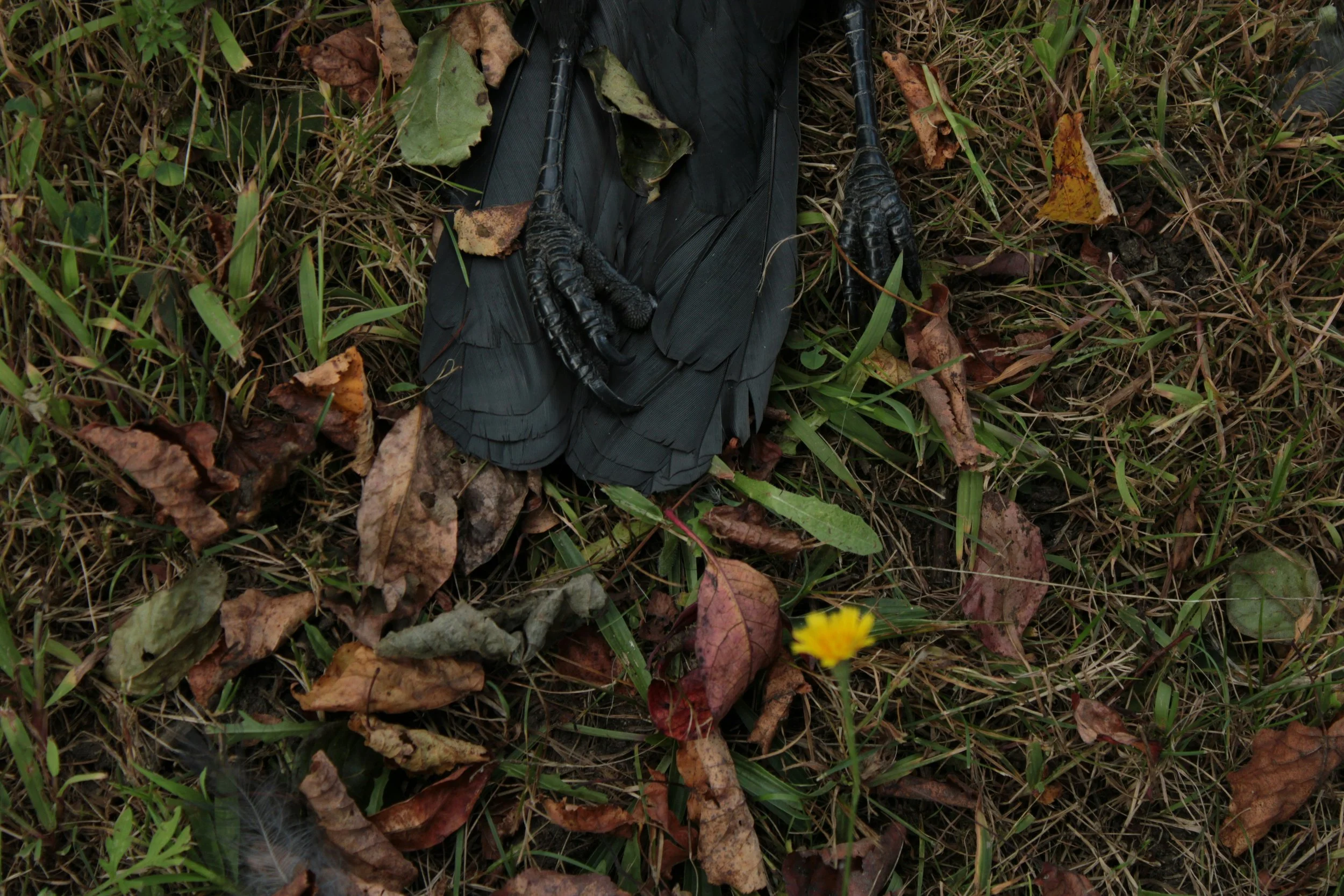
Photography by Kennedy Silva
What happens after death? In our recent review, we argue that this question, surprisingly overlooked for a long time by ecology, can help us better understand numerous ecological processes and provide new perspectives across disciplines that might appear unrelated at first glance.
The study synthesises more than twenty years of advances in carrion ecology. However, it goes far beyond a conventional review: it examines what science gains when carrion is incorporated into the way we interpret nature, from individual animal behaviour to ecosystem functioning and the evolution of our own species.
Carrion has traditionally been regarded as a secondary resource consumed only by a few specialist species, such as vultures and hyenas. Recent research, however, shows that it plays a much broader and deeper role. Animal carcasses create hotspots of nutrients, organisms, and biological interactions that strongly influence the structure and functioning of both terrestrial and aquatic ecosystems.
A New Perspective for Ecology
The review reveals that carrion allows scientists to reinterpret some fundamental ideas in ecology.
For example, numerous forms of cooperation and mutual facilitation, largely ignored until recently, can promote the coexistence of species competing for carrion. Many species not only feed directly on carrion but also exploit it indirectly by consuming the abundant and nutritious insects associated with carcasses, such as fly larvae, a resource that can be crucial for breeding success in passerine birds. Also, carrion can influence herbivore populations, contribute to ecosystem stability, and even establish connections with ecological networks as different as pollination networks through relationships that extend far beyond simple consumer–resource interactions.
In addition to being a nutritious food source, animal carcasses provide materials for nest construction, tools and ornaments, thereby influencing important evolutionary processes such as sexual selection. They also host insects that serve as resources for parasitoid wasps, function as centres of information and communication among members of the same species, and provide structures in the form of bones and other hard tissues where numerous species can settle and seek refuge.
We are discovering that many ecological processes cannot be fully understood if the role of carrion is ignored. For decades, when studying carnivorous animals, we focused mainly on their role as predators. Recognising that most, if not all of them, can also be scavengers has far-reaching ecological consequences.
From Public Health to Criminal Investigation
The review also shows that the implications of carrion extend well beyond ecology.
In forensic science, a detailed understanding of decomposition processes improves estimates of the time elapsed since death. In epidemiology, understanding how different species use carcasses helps clarify the role of scavengers in reducing disease transmission. In toxicology, some scavenging species serve as excellent sentinels of environmental contamination.
Carrion ecology also provides new tools for interpreting archaeological and fossil sites, understanding animal evolution, and re-evaluating hypotheses about meat consumption by early humans. It offers fresh perspectives on public perceptions of carnivorous animals and on the benefits that scavengers provided to our ancestors and continue to provide to modern societies. In addition, it offers new solutions to challenges related to biodiversity monitoring and conservation.
A Paradigm Shift
The study’s main conclusion is that carrion should not be viewed as a marginal resource, but rather as a central component of ecosystems.
For this reason, we propose formally recognising carrion ecology as a distinct scientific discipline and present a conceptual framework that integrates its multiple ecological functions and its connections with other fields of research.
The most important point is not simply that we know far more about carrion today than we did twenty years ago. What is truly significant is that we are beginning to understand the extent to which incorporating carrion transforms our view of the natural world and can help answer fundamental questions that have so far remained only partially explained.
At the same time, carrion ecology provides a foundation for addressing a range of exciting new avenues of research. For example, why do elephants, dolphins, and other species challenge the widespread tendency to avoid conspecific carcasses because of parasite risk by remaining near, touching, or even carrying their dead relatives?
Far from being a mere biological curiosity, carrion emerges as a key element for understanding nature more fully and for connecting disciplines that have long advanced along separate paths.
Marcos Moleón is interested in the ecology and conservation of birds of prey and mammalian carnivores, particularly their dual role as predators and scavengers. His research is mainly carried out in the Iberian Peninsula and Africa. Eneko Arrondo focuses on the movement ecology of vultures and other topics in carrion ecology across Europe, South America, and Africa.