
Jared Oliver Adams on Ecofiction
Demon Ecofiction: Ecofiction in Barbara Kingsolver’s “Demon Copperhead”
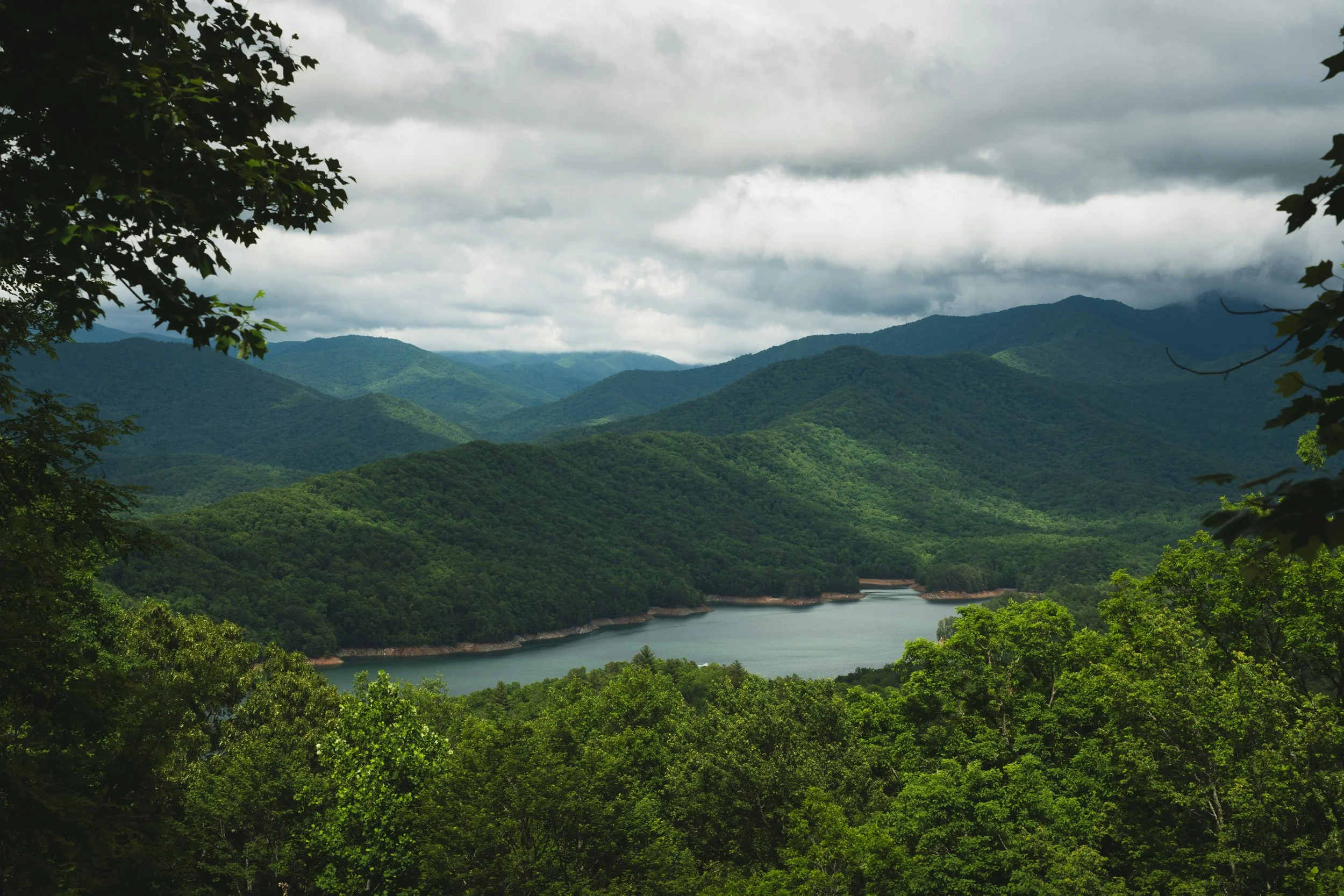
Photo by John Wilander
If ecology “deals with the relationships between living organisms and their environment[1],” then ecofiction centers that relationship in narrative.
There are multiple places where that relationship can be shown. The most obvious is the setting, but it can be embedded in character and plot as well. Stories that stand out in my mind as truly embodying the idea of “ecofiction” have ecology centered in all three and are the richer for it.
An example: “Demon Copperhead” by Barbara Kingsolver (a favorite of mine!).
It follows a boy coming of age in Appalachia during the opioid crisis, using Dickens’ “David Copperfield” as a template. This story could have easily been told without an ecological focus, but Kingsolver’s choice to weave it through every element of the novel gives it a depth which surely contributed to its winning the Pulitzer Prize in 2023.
First, the setting. Kingsolver, a longtime resident of Appalachia, lovingly depicts its muddy creekbanks, its rampant plantlife, and its rolling topography. Furthermore, nature in her book isn’t content to stay in the background. A character is poisoned by picking tobacco plants without gloves, for instance. A roadtrip ends at a grungy beach, where someone picks up a Styrofoam takeout clamshell, holds it to their ear, and jokes they can hear the ocean. In both examples, a scene is crafted where the characters interact with not only the natural environs. but human impact on it.
Next, you have the characters themselves. They are deeply tied to the land, none more so than the title character, nicknamed “Demon Copperhead” for both his red hair and an infamous snake in the region. We see not only how he grows up playing barefoot in the woods, but we see how unnatural a city feels when he visits the metropolis (ha!) of Knoxville. He describes the apartment buildings as “doom castles” for their endless rooms, and wonders where people grow their tomatoes.
Lastly, the plot, which ties Demon’s coming of age to his growing understanding of Appalachia’s place in the larger ecosystem of modern America. As Demon succumbs to opiod addiction, Kingsolver links the predatory pharmaceutical companies to the predatory coal companies who spoiled the land. Demon triumphs over this addiction and finds his calling in chronicling the history of his home, the people and the land together, an ecological explanation of how it came to occupy its peculiar place in America.
If that summary convinces you to read “Demon Copperhead,” my time writing this essay was well spent. It is a marvelous book worthy of your time.
But, also, I hope it provides an example of how ingraining ecology into the stories we tell not only earns it the moniker “ecofiction,” but yields greater richness. Just as taking a hike reminds you of the three-dimensionality of life outside the flat plane of your phone screen, good ecofiction reminds us of our place in this broad and bustling world.
[1] As the Oxford English Dictionary defines the word

Jared Oliver Adams lives in Knoxville, Tennessee, where he writes, explores, and dabbles in things better left alone. He holds two degrees in music performance, a third degree in elementary education, and is utterly incapable of passing a doorway without checking to see if it leads to Narnia.