
Lynn Sargent on Ecofiction
The Rotting Leaf
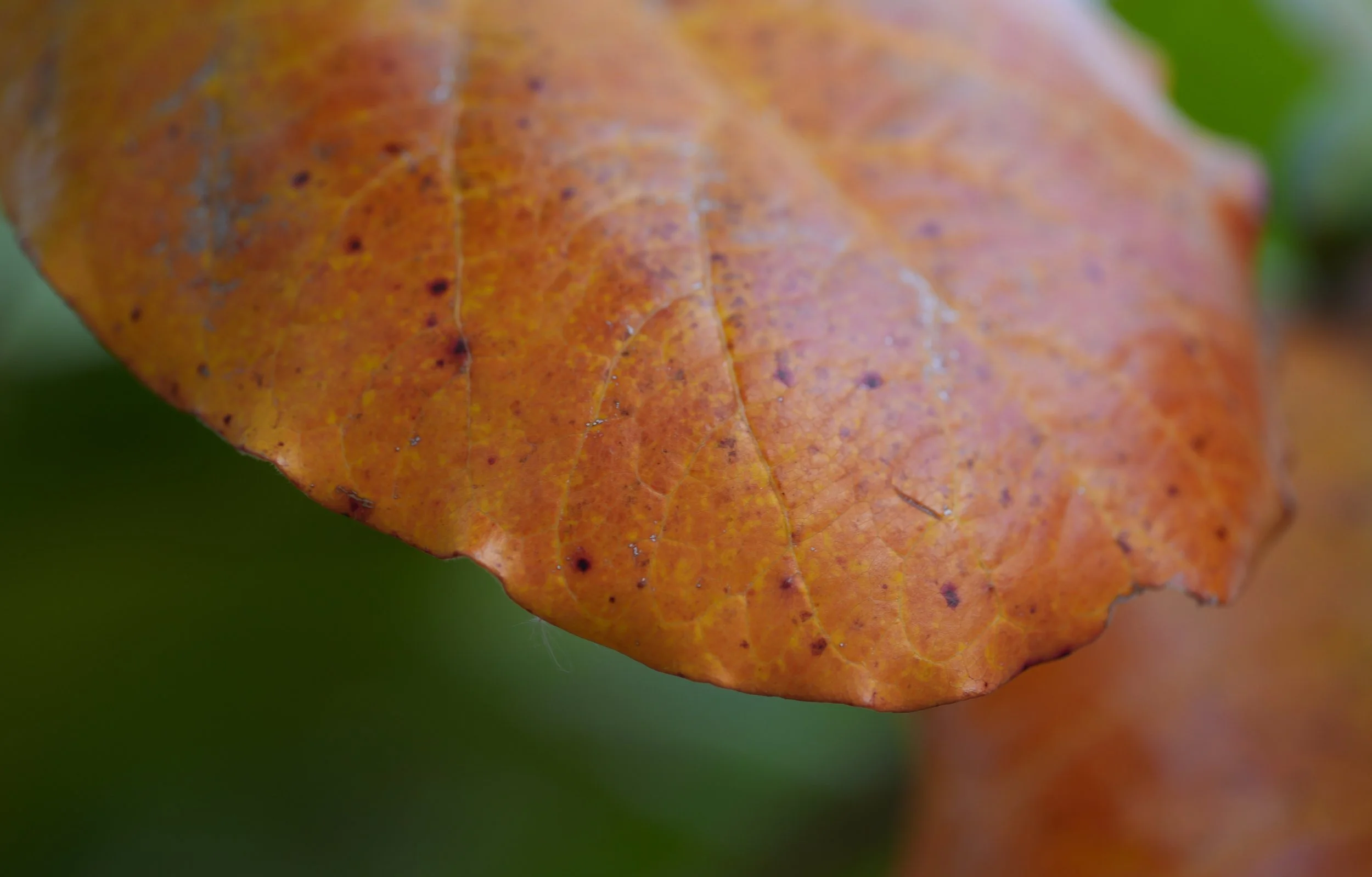
Photo by Natalia Danjon
One of the moral goods of fiction is the unique positioning of the author as a guiding agent who has the capacity to cultivate empathy in the reader to a consciousness different from their own. It is the focus on interiority of fiction that sets it uniquely apart from other mediums of storytelling.
A well-known, and devastating psychological fact about humans is the oft-repeated adage that “one death is a tragedy, a million is a statistic.” Fiction can expose us to many “one deaths,” but more than that, I think it presents opportunities to simultaneously grasp the magnitude and the tragedy of the deaths of millions.
Like the suffering of masses of our fellow humans, the natural world is something that in our modern era has become alien and othered to us in many ways. Even in classical storytelling, from our earliest teachings we are invited to see Nature as one of the great oppositional forces in literature. Like with all things though, stories can help us to find nuance in that–the fact that the natural world is not something to be overcome, but to find harmony with, while the nature of our indifference to widespread suffering is conversely, something to be overcome.
Eco-fiction for me is the deepest expression of this moral imperative–to present the natural world, this thing that has been cast as something so alien to us, as something worthy of empathy. Death as a statistic is not something unique to the human realm. Nature too is populated with beings that are multitudinous and therefore easily discounted. I myself have killed more plants than I can count on my fingers and toes combined. Am I genocidal maniac? No. Of course scale still matters. Nuance, again. At the same time, each of these deaths is still a kind of tragedy, and it is a boon that fiction can help us make room for reading the devastation of natural ecosystems as tragedies not just for humans in the era of climate change, but for the ecosystems themselves.
This kind of radical empathy may be a little weird, maybe even a little horrific. Accepting animism is in a sense accepting a kind of equal insignificance. If nature is a statistic to us, then we are a statistic to it. For me though, there’s a kind of comfort in this too– the kind of comfort that comes upon you when you meet the sublime on a walk in the forest, when you find yourself overwhelmed, whether it is because you have been washed away in the wonder of the canopy, or simply awestruck by the hue of one single flower that pops against the litter.
Eco-fiction is an opportunity to practice that balance, that estrangement, and that reorientation towards multitudes.
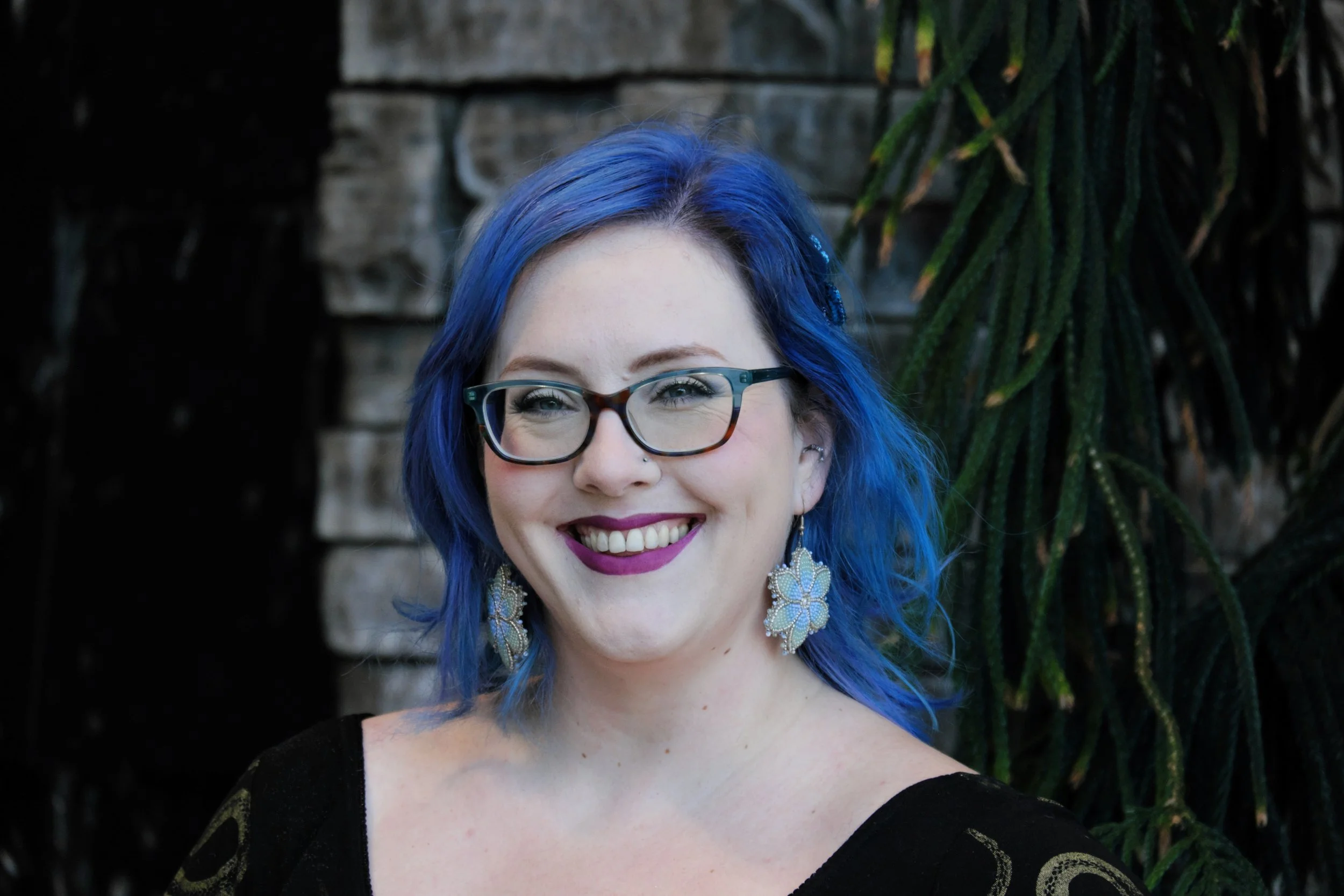
Lynne Sargent is a Hamilton-based queer writer, aerialist, and holds a Ph.D in Applied Philosophy. They are the poetry editor at Utopia Science Fiction magazine. Their work has been nominated for Rhysling, Elgin, Best-of-the-Net and Aurora Awards, and has appeared in venues such as Augur Magazine, Strange Horizons, and Analog. Watch out for their non-fiction book Not Just Playing Make Believe, forthcoming from ECW Press. To find out more visit them at: