
Fishing For Nostalgia
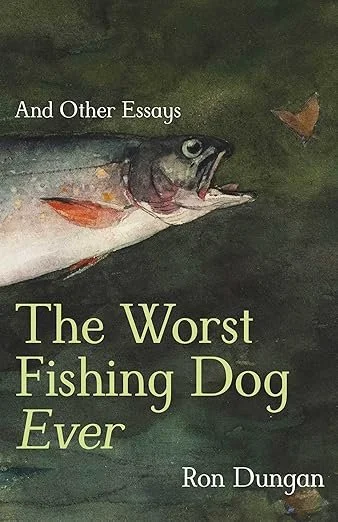
A Review of Ron Dungan’s The Worst Fishing Dog Ever and Other Essays
In The Worst Fishing Dog Ever And Other Essays, Ron Dungan writes "When economics rears its ugly head at the fly shop, we sometimes flinch, but more often just shrug". That line almost entirely sums up Dungan's everyman brand of philosophy when it comes to the ills of our current society.
Dungan's book is a collection of nature-writing essays, most of which combine his obsessive love of fly-fishing with a "common-sense" criticism of environmental degradation, climate change, and inequality. Unfortunately, Dungan's criticisms often boil down to a cynical and nostalgic lament that can only look backwards to what was, rather than forward to what could be.
The first section of the book, titled "Something Bigger than Ourselves", is a somewhat muddled opener in which Dungan takes shots at commodified fly-fishing (and outdoor recreation more broadly), as well as our culture of work and competitiveness, and the desire to capture the moment of every conquest of nature on social media. For the record, I agree with most of what Dungan is saying here, but for all the effort he puts in to portraying himself as a man who "calls a spade a spade," he can't bring himself to actually name capitalism as the problem.
This section also contains an odd essay in which Dungan takes on animal rights activists, attempting to land somewhere between tacitly agreeing with the activists and presenting catch-and-release fishing as the pro-environmental, humane way to fish. It's beyond the scope of this review to unpack this debate, but what's clear from Dungan's writing is that what he really enjoys is simply being outdoors, and could probably be just as happy trading fishing for hiking or photography.
"On the Road" is the second section in the book. This is where Dungan fully leans into nostalgia. It's "modern" life that "ruins a good stream", polluting it with chemicals but also (and more importantly) other people. Channeling a Ron Swanson kind of environmentalism, Ron Dungan wants to "get back" to a slower, quieter, time when it was also easier for him to have a stream to himself. He yearns for more freedom from work, and more time to fish, but only really for himself. Dungan is the man who complains about traffic while sitting in his car, not realizing that he himself is part of the traffic, and that the road has been designed to create this problem.
More from Brief Ecology
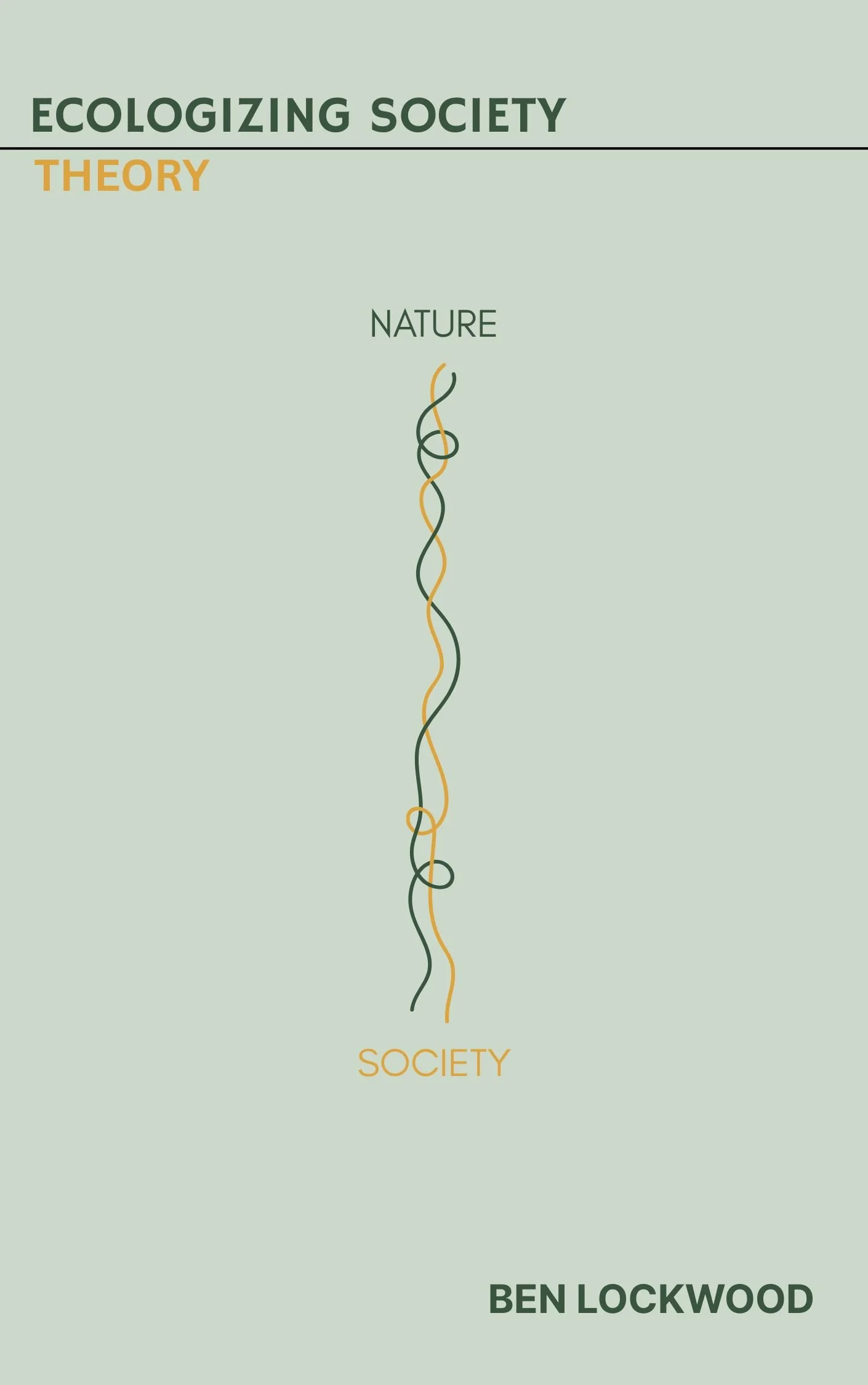
Part of the confusion is that Dungan fully buys into the nature-society binary. He lives in the city, where work, society, and modernity live. Nature is "out there". Somewhere else that one must travel to. It's entirely lost on Dungan that this duality actually encourages the destruction of natural landscapes. Under capitalism, value thrives on scarcity. To make the kind of nature that Dungan wants abundant, we have to untangle the contradictions.
But that's just too tall an order for this book. "We gas up and drive, polluting the air to enjoy nature, but life is full of contradictions," Dungan writes, without interrogating that thought any further.
To his credit, the final section does get closer to correctly identifying some these issues. Appropriately titled, "Dystopia," the ending finally gets around to chastising the need for endless economic growth, criticizing the wealthy "bourgeoisie", and calling out his fellow anglers who dismiss things like climate change and ecosystem collapse. Dungan also correctly highlights the interdependencies of nature, discussing how forest management impacts fish populations. And here, he also recognizes the need for collective action among outdoor enthusiasts.
In fact, at times it almost seems like the final section of essays were written by a different person. Maybe they were. After all, as Heraclitus said, no man ever steps into the same river twice. People change and develop over time, and there's only so much destruction of nature you can witness before you either put your head in the sand or recognize reality. Dungan seems to be choosing the latter, albeit slowly.