
April 2026
nature synergies
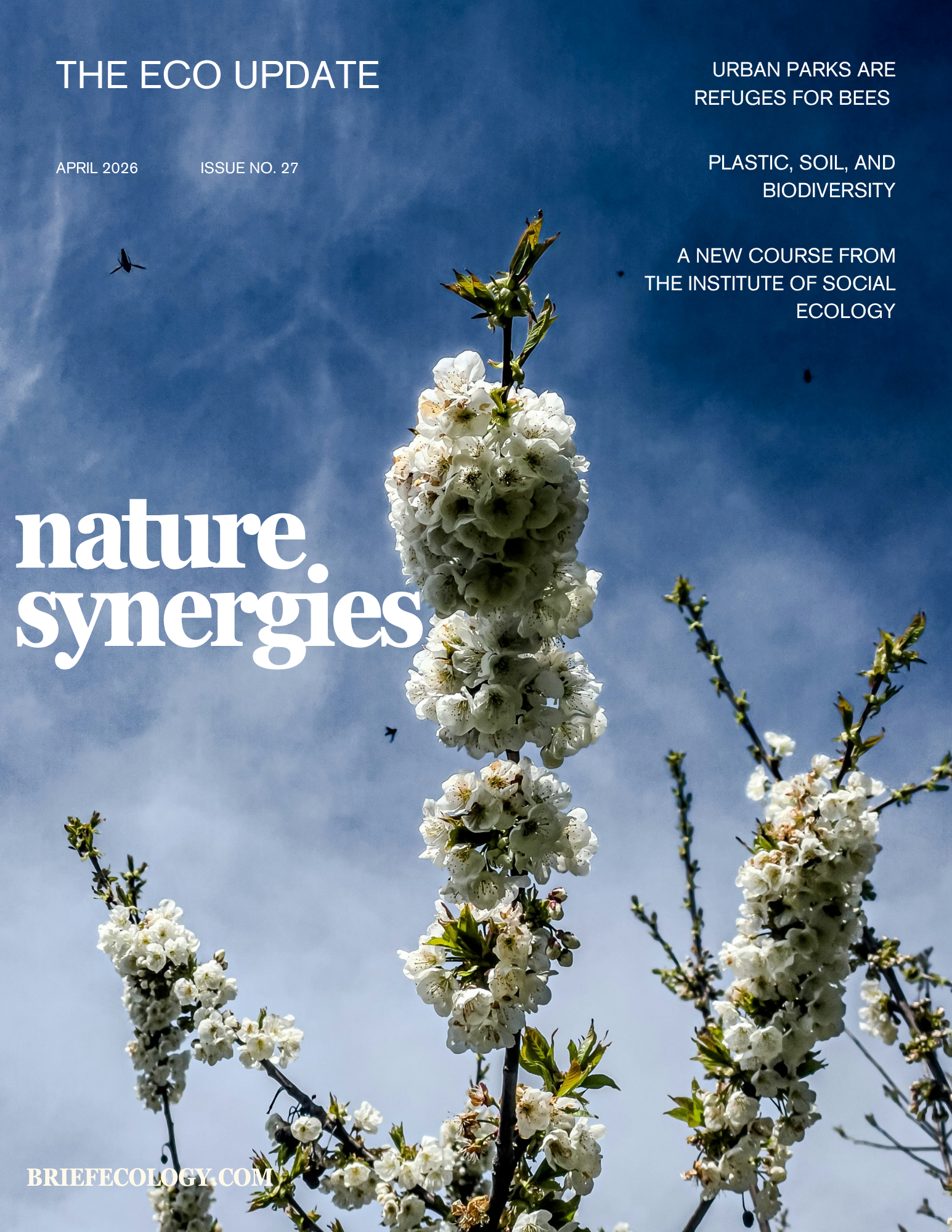
What’s In This Issue
Letter from the Editor | Ben Lockwood
Urban Parks Are Refuges For Bees | Carlos Hernández-Castellano
Plastic, Soil, and Biodiversity | María Fernández-Maquieira
Nature Photo of the Month | Bernd Dittrich
Notes From A Radical Ecologist: A Letter to Brief Ecology | Guilherme E. Meyer
Eco Fiction Review: Concentric Macroscope | Ben Lockwood
More from Brief Ecology in April
Did you know The Eco Update is also available as a digital magazine?
Letter From The Editor
Dear Readers,
Ecology, as both a science and movement, is often about the problems plaguing our environment. Which is understandable. Yes, the planet is heating up. Yes, climate systems are breaking down. Yes, ecosystems are at risk of collapse. And yes, biodiversity is plummeting. All true. But ecology can’t just be about identifying and quantifying the problems. It has to also provide solutions if we are to find a way forward.
This latest issue of The Eco Update takes that as our starting point, asking important questions in order to move ecological knowledge forward. How can we work with ecosystems, rather than exploiting them? What is required to make society truly ecological? Can we expand our consciousness to better understand the nature of nature?
In this issue, you’ll find articles from people who are working to answer these very questions. They’ve generously shared some of their knowledge here. We hope you’ll spread it.
In Solidarity,
Ben
Urban Parks Are Refuges For Bees
By Carlos Hernández-Castellano
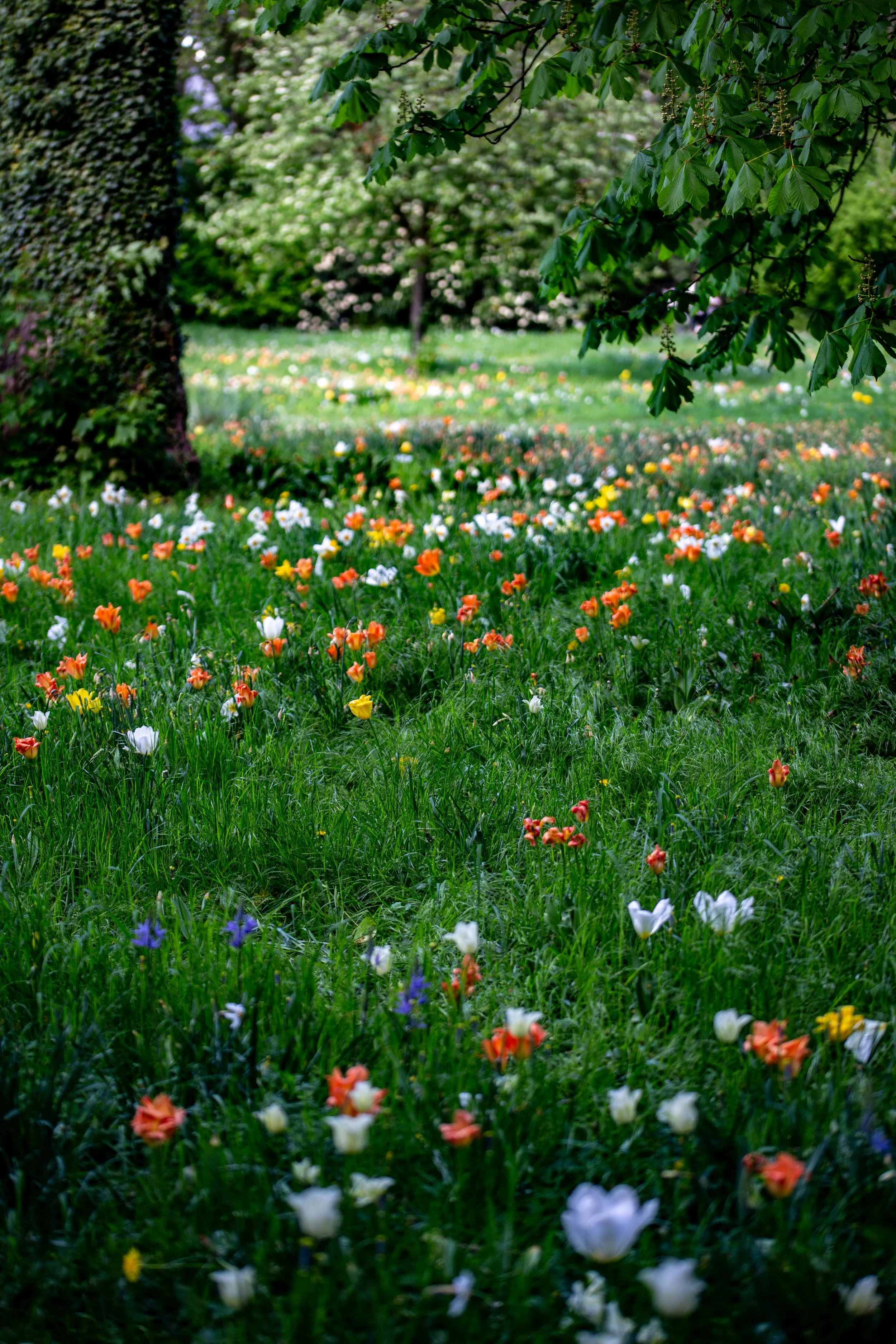
Photo by Bernd Dittrich
Bees, one of the most important groups of pollinators, are declining worldwide due to multiple stressors, including urbanization. Yet the role of cities in their conservation remains highly debated. While some studies portray urban environments as biodiversity-poor, others highlight them as potential refuges. How can these seemingly contradictory views be reconciled?
Our study, published in Urban Ecosystems, tackles this question using a less conventional approach in urban ecology: a biogeographic perspective on ecological communities. Rather than focusing solely on how many species occur in each habitat, we examine how bee communities are structured and distributed across urban parks and adjacent natural areas, and how these relationships shift over the course of the season. This approach allows us to move beyond simple species counts and explore key patterns such as nestedness (whether some communities are subsets of others) and species turnover.
The results reveal a more nuanced picture than expected. On the one hand, urban parks host fewer bee species than natural areas—but only in the late season. During spring, when floral resources peak, both habitat types support similarly rich communities. This finding already points to an important insight: the ecological value of urban parks is not static, but strongly seasonal.
The most striking result, however, emerges when looking at community composition. Far from being impoverished versions of natural ecosystems, bee communities in urban parks are not nested subsets of those found in natural areas. Instead, more than 30% of the species recorded are “idiosyncratic”—that is, they occur uniquely or unexpectedly in specific sites. These species tend to be rare, both in distribution and abundance, and are often restricted to particular urban parks or natural areas.
The presence of these unique species breaks the classic expectation of nested communities and reveals a high degree of species turnover between habitats. In practical terms, this means that each urban park may host a distinct assemblage of bees, contributing significantly to regional biodiversity.
This finding reshapes the concept of “biodiversity refuge.” Urban parks do not necessarily function as refuges because they contain more species, but because they host different communities, including species not found elsewhere. However, this conservation value is also fragile: many of these idiosyncratic species are rare and therefore more vulnerable to local extinction.
The implications for urban planning are clear. If biodiversity depends strongly on species turnover, conservation strategies should not focus on a single large park, but rather on a network of green spaces distributed across the city. A system of parks that are sufficiently large, well-connected, and environmentally heterogeneous can therefore maximize both urban and regional biodiversity.
Importantly, creating green spaces is not enough—their design matters. Urban parks should promote diverse plant communities, prioritizing native species and ensuring continuous flowering throughout the season, as well as providing suitable nesting resources. Such measures are essential to support both common and rare species.
In an increasingly urbanized world, recognizing cities as ecological mosaics—and managing them accordingly—may be key to safeguarding pollinators and the essential services they provide.
Carlos Hernández-Castellano is a postdoctoral researcher in the Czech University of Life Sciences Prague (CZU, Czech Republic). His research is focused in pollinator communities, species interactions, and pollination ecology. He is currently working mainly in urban ecosystems.
Plastic, Soil, and Biodiversity
By María Fernández-Maquieira
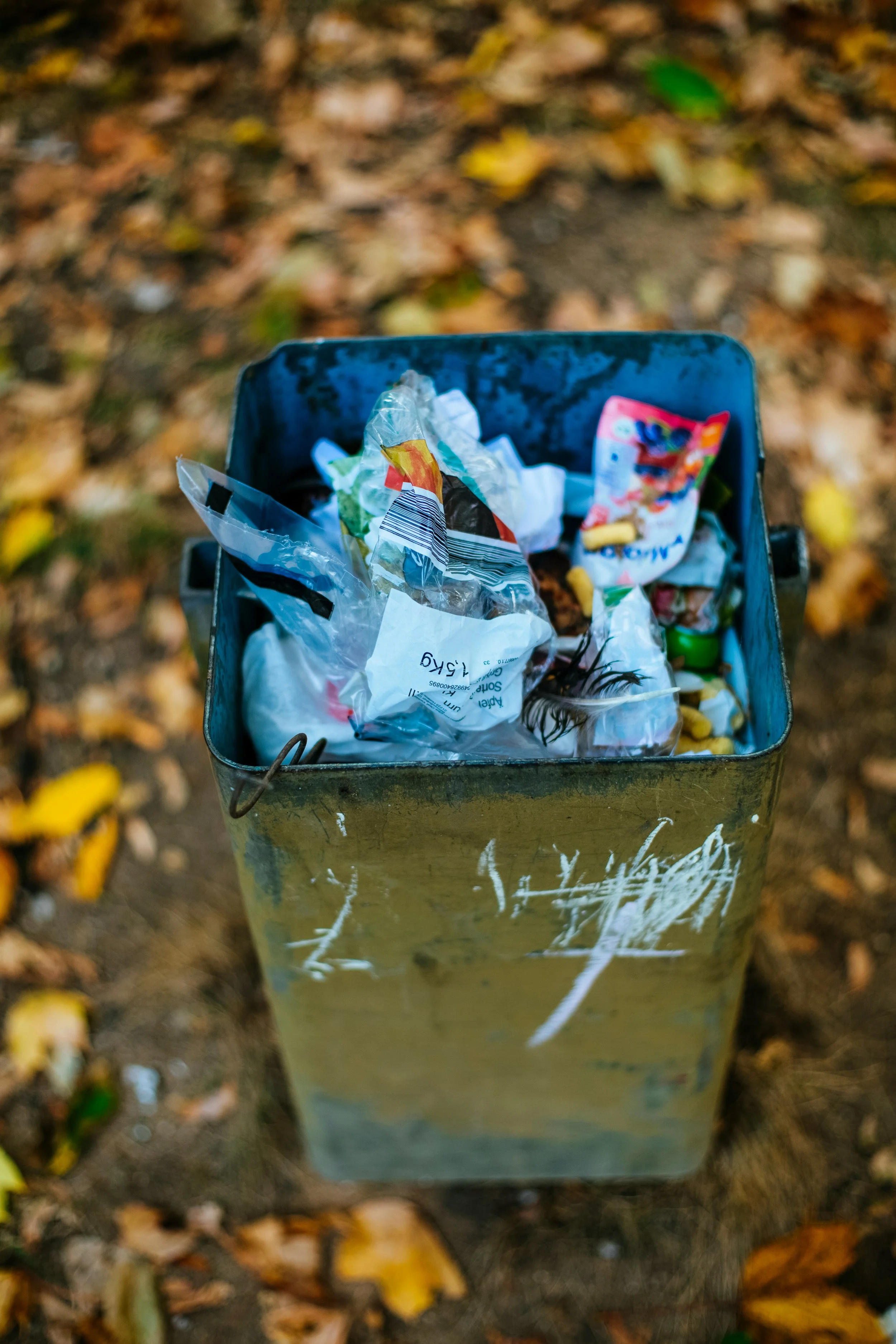
Photo by Markus Spiske
Plastic pollution is a growing global problem. While it is often linked to oceans and marine life, soils are actually one of its main sinks—and we are only starting to understand the consequences. This matters because soils are essential for life on Earth. They store carbon, regulate water, recycle nutrients and support plant growth. In short, they provide key ecosystem services that we all depend on. And importantly, many of these functions are maintained by biodiversity.
In our study, we asked a simple question: how does plastic pollution affect soil functioning, and can biodiversity help? To answer this, we grew plant communities with different levels of diversity in soils contaminated with conventional plastics, biodegradable plastics, and a mix of both.
We found that plastics do affect how soils work—but not always in the same way. Conventional plastics tended to have the strongest negative effects, especially on properties related to soil structure and water movement. Biodegradable plastics, often seen as a safer alternative, were not impact-free either. And when both types were combined, their effects were different again, showing that plastic pollution is more complex than it might seem.
One of the most important results is that soil type plays a major role in shaping these effects. In sandy soils, plastic contamination had relatively small—or even slightly positive—effects on overall soil functioning. This may be because plastics help retain water in these very porous soils. But in clay soils, the story was very different. There, plastics—especially conventional ones—reduced soil functioning quite strongly. So, the same pollution can have opposite effects depending on where it ends up.
Biodiversity also played a key role, but not always in the way we expected. In general, having more plant species improved soil functioning and increased plant growth. In sandy soils, this diversity helped buffer the effects of plastic pollution. However, in clay soils, higher plant diversity actually made the negative effects of plastics stronger. A likely explanation is plastics further reduce water movement in these soils, where drainage is already limited, amplifying their negative effects on soil functioning.
So what does this mean? First, not all plastics are equal, and biodegradable alternatives are not automatically harmless. Second, the impact of plastic pollution depends heavily on the type of soil. And third, biodiversity does not always act as a safety net—its effects depend on the context.
The take-home message is simple: protecting biodiversity remains essential to maintaining healthy ecosystems and can help reduce the impacts of pollution in many cases. However, it cannot fully compensate for stress in more vulnerable systems, particularly in clay-rich soils, where limiting plastic inputs becomes especially important. To deal with plastic pollution effectively, we need to understand how materials, soils and living communities interact—and use that knowledge to design better management and restoration strategies.
María Fernández-Maquieira is Research Assistant at the Multidisciplinary Institute for Environmental Studies (MIES), Universidad de Alicante, Alicante, Spain
Nature Photo of the Month
By Bernd Dittrich
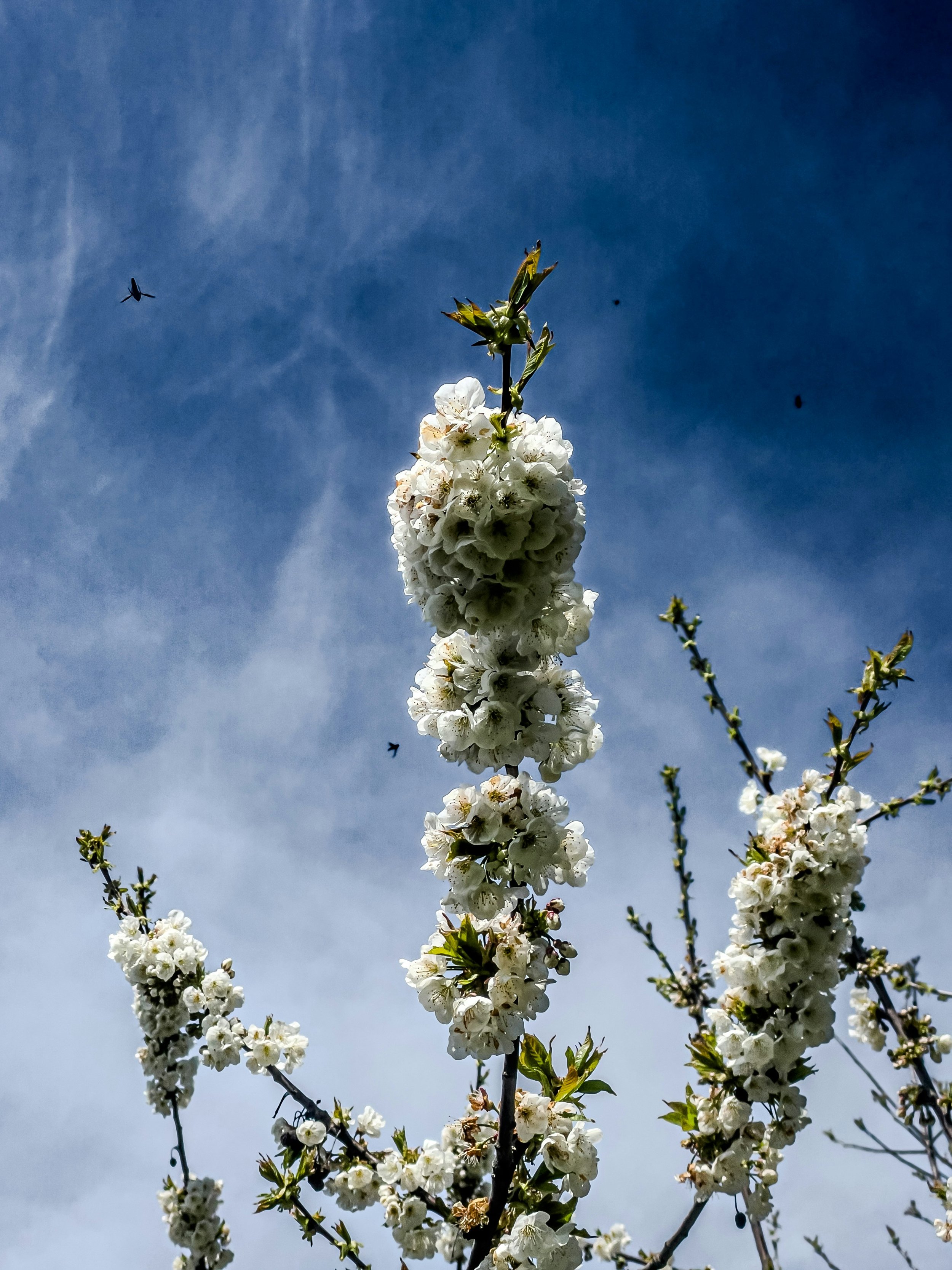
Photo by Bernd Dittrich
Notes From A Radical Ecologist
A letter from Guilherme E. Meyer
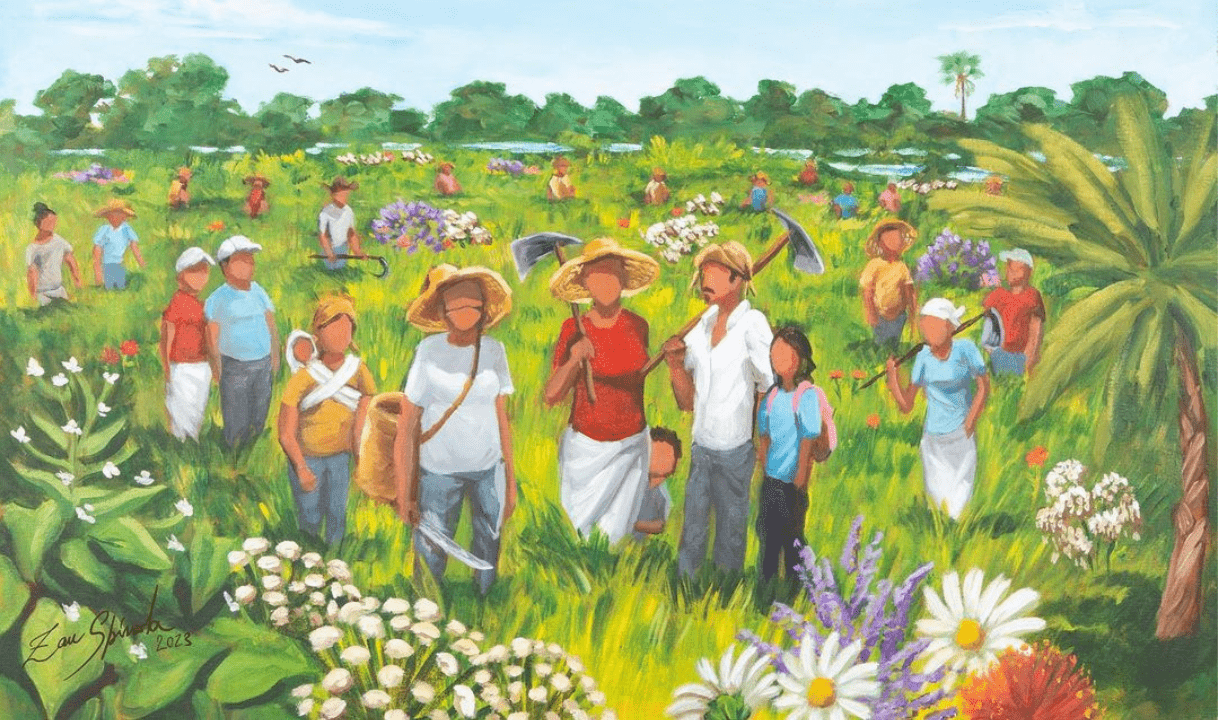
Image from The Institute of Social Ecology
Dear Brief Ecology,
You invited me to write a summary of how I’m approaching my new course at the Institute of Social Ecology (ISE). The answer is: through the lens of utopianism.
Murray Bookchin described social ecology as a “scientific discipline that allows for the indiscipline of fancy, imagination, and artfulness,” and “integrate[s] critique with reconstruction, theory with practice, vision with technique.” Dan Chodorkoff also emphasizes the importance of utopian vision to social ecology in offering a “sense of orientation. Without a vision of the society we desire, it will be impossible to ever achieve it.” We find such visions in the writings of social ecology, notably at the end of Bookchin’s The Ecology of Freedom where he gives “the general contours of an ecological society.” Or in Chodorkoff’s recollection of how the mostly Puerto Rican inhabitants of New York’s Lower East Side in the 1970s “develop[ed] a holistic vision for the future of their community.” Chaia Heller, in turn, offers “illustrative opposition,” a “practice of holistic picture-making” through which activists can generate utopian “illustrations”: “For our goal is not only to inform, but to inspire ourselves and others to take direct action.”
Heller’s practice echoes Paulo Freire’s “problem-posing education,” which tries to stimulate the creation of “untested feasibilities” or “possible dreams.” Like social ecology thinkers, Freire called for the elaboration of utopian visions to instigate and guide our struggles, emphasizing the “right of the popular classes” to participate in this process. He referred to such visions as “projects for a different world,” using the word project to highlight the collective thought and care that have to go into their elaboration. From Freire we get one of the most compelling definitions of utopias: projects to fight for.
The Landless Workers’ Movement (MST) has been deeply influenced by Freire. Freire, in turn, was increasingly influenced by the MST at the end of his life. One of his last essays, “On the Right and the Duty to Change the World,” was written right after the historic 1997 march of the MST. At one point, he writes that “dreams are projects to fight for” and defends the MST’s “fight for agrarian reform,” which, since then, has become the fight for a truly utopian vision. This vision has been articulated as Popular Agrarian Reform, encompassing “the democratization of land access, the widespread use of sustainable agricultural practices, education that liberates, and human relations free from exploitation. It is impossible to produce ‘healthy’ food in a land so full of exploitation. We are fighting for an agrarian reform that is a popular national project, where there is diversity, social justice, and the cultural and economic colonialism that still prevails in Brazil is a thing of the past.”
My sense is that Popular Agrarian Reform is a beautiful example of utopia as understood by Freire and social ecology thinkers: a project for a different society that the movement has begun to “actualize in the here and now” in its settlements and other spaces. What I’m trying to say is that I’m approaching this course with the feeling that there is a strong affinity between the ways Freire/MST and social ecology conceptualize utopia and between their projects for a different society.
If this is true, the MST is one of the main movements providing the contours of an ecological society and fighting for this utopia right now.
In solidarity, Guilherme.
Guilherme E. Meyer is a researcher in the field of utopian studies and a teacher at the Institute for Social Ecology and the Josué de Castro Educational Institute of the Landless Workers’ Movement.
Ecofiction Review: Concentric Macroscope
Review by Ben Lockwood
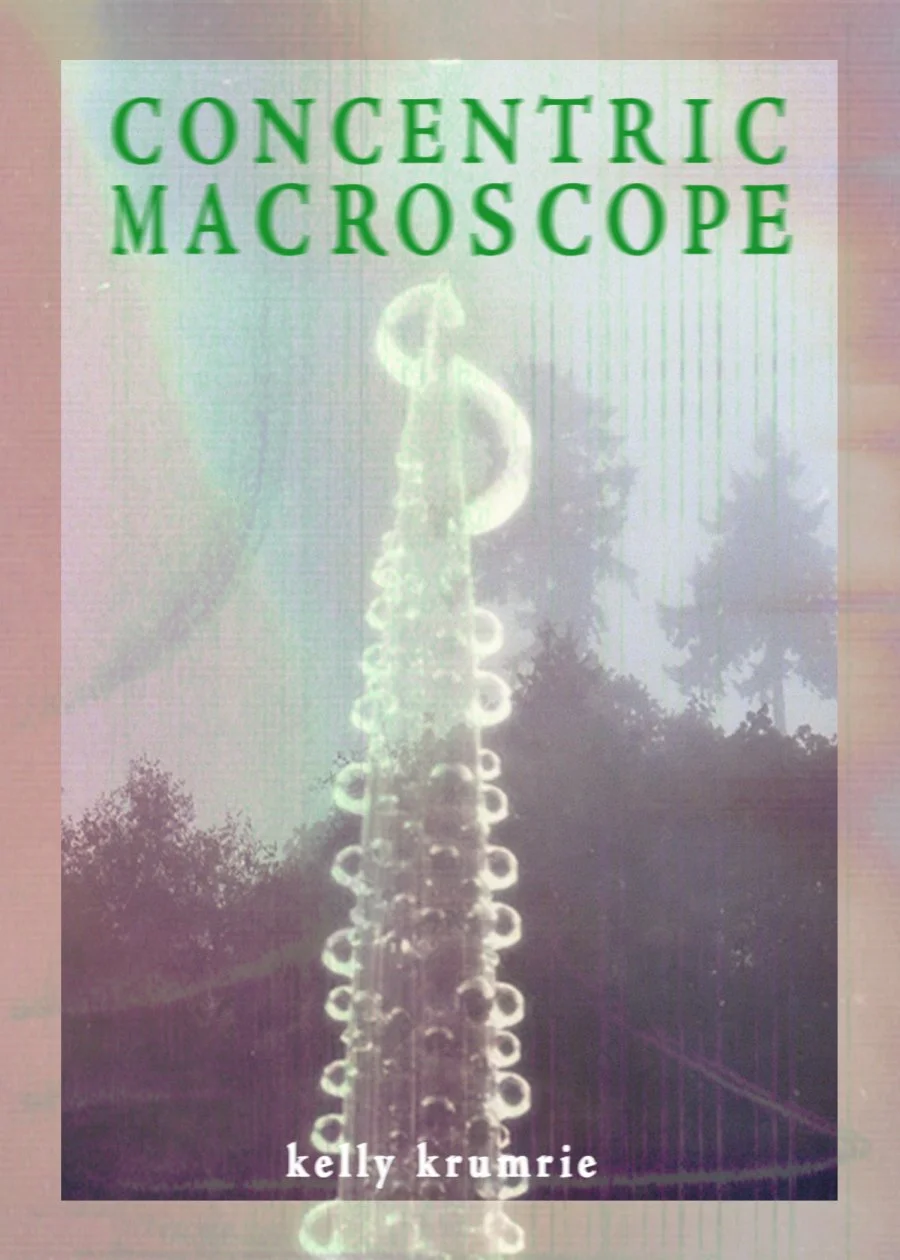
For the first twenty or so pages of Kelly Krumrie’s Concentric Macroscope, I didn’t know what to make of it. It’s a book without chapters, without paragraphs even, at least in the traditional sense. But then on page twenty-six Krumrie hits the reader with this line, “The objective: we don’t know how to communicate with the unknown: gods, the dead, plants, animals, minerals, inhabitants of other planets or space; the interior and secret mind of the person beside us”. After that I was hooked.
Concentric Macroscope follows a linguist who is at a remote facility in a forest, tasked by a mysterious “Agency” to create a language for just that: communicating with something unknown. Is that something god? Is it nature? Is it on another planet? As readers, we’re not sure, and neither is the linguist. What’s clear though, is that because language itself structures the way we think about and understand the world, creating a new language to communicate with god, or nature, or the universe as a whole, requires changes of consciousness.
What Krumrie is really exploring here though is what it might mean if the thing one tries to represent with language is ultimately unrepresentable. If capital N Nature is something that just can’t be categorized, how can we adequately express it through language? Can we? And would doing so break our consciousness or expand it into a higher plane?
These are big, big ideas that Krumrie is playing with. And Concentric Macroscope is even more ambitious by fusing form with function. The structure is the story, here. Krumrie breaks down linguistic hierarchies, exploring concepts like Escher’s recursion and the rhizomatic philosophy of Deleuze and Guattari. Because of the scope (literally “macro”), this is a difficult book to summarize, or even talk about. You simply have to read it. And I really think you should.
More from Brief Ecology in April
Spring Equinox, by Maro Reus | The Rotting Leaf
Maro Reus On Ecofiction | The Rotting Leaf